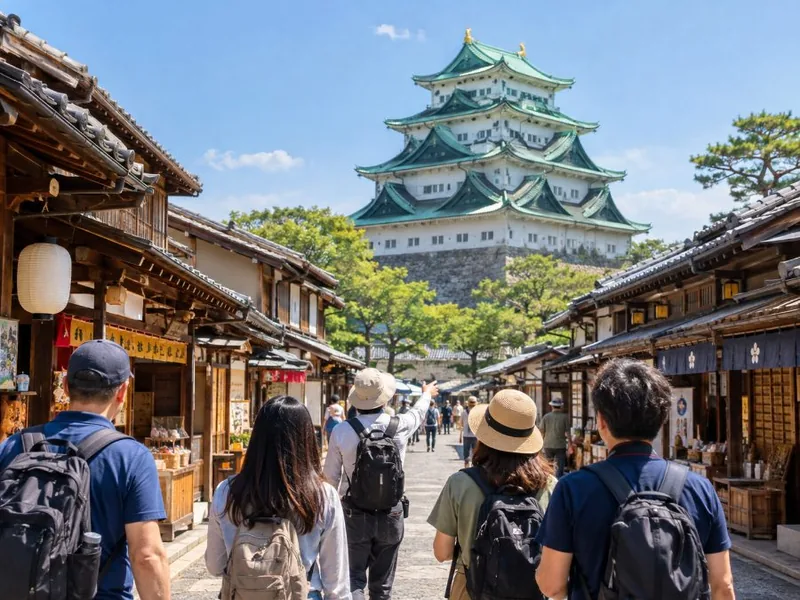
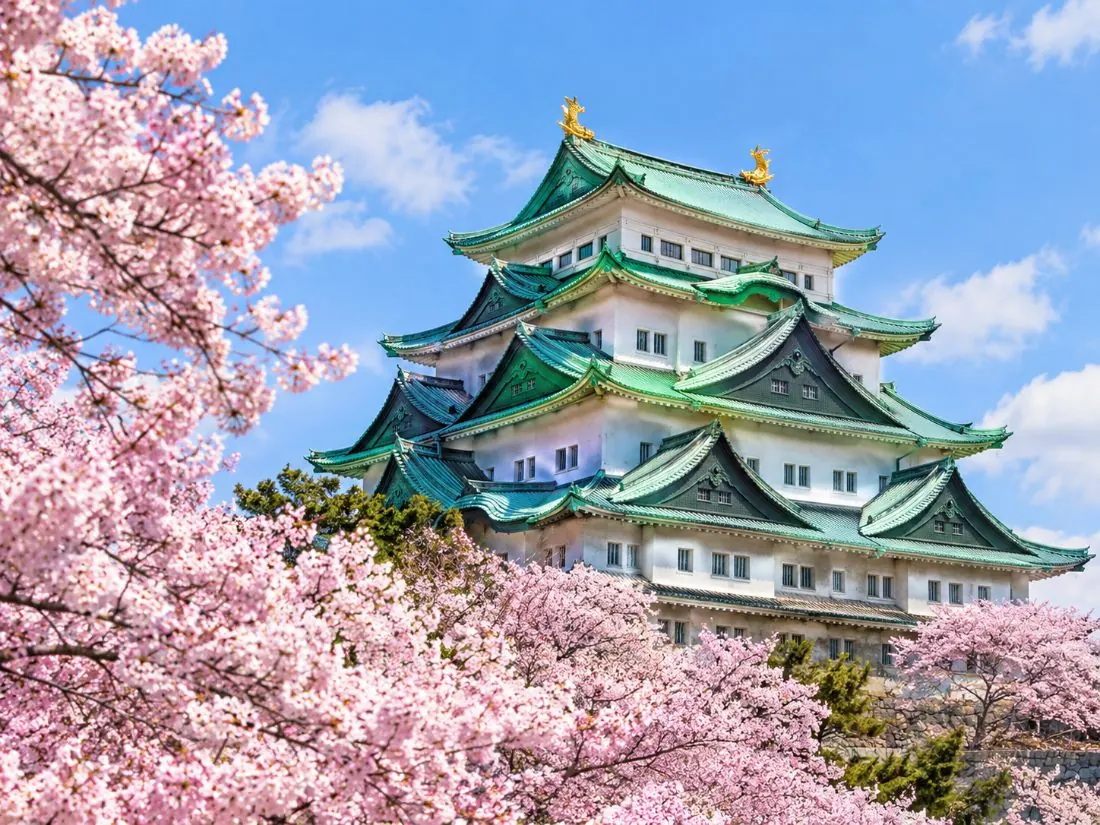
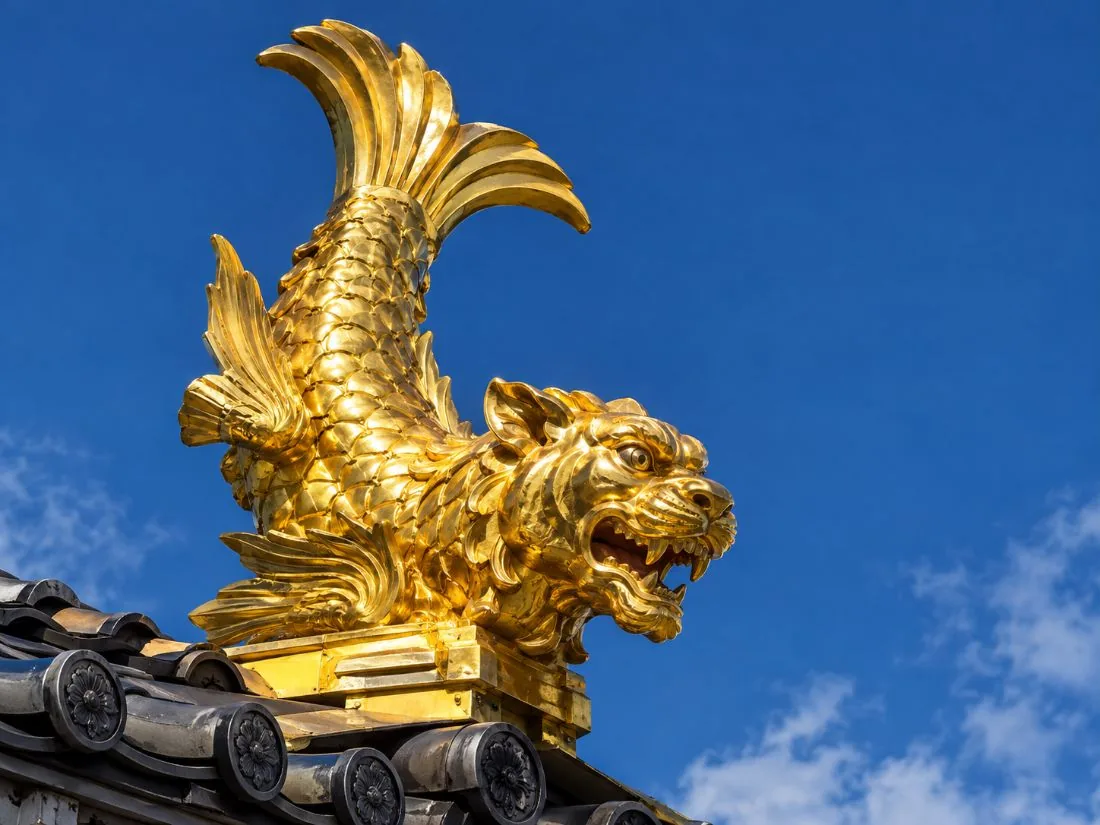
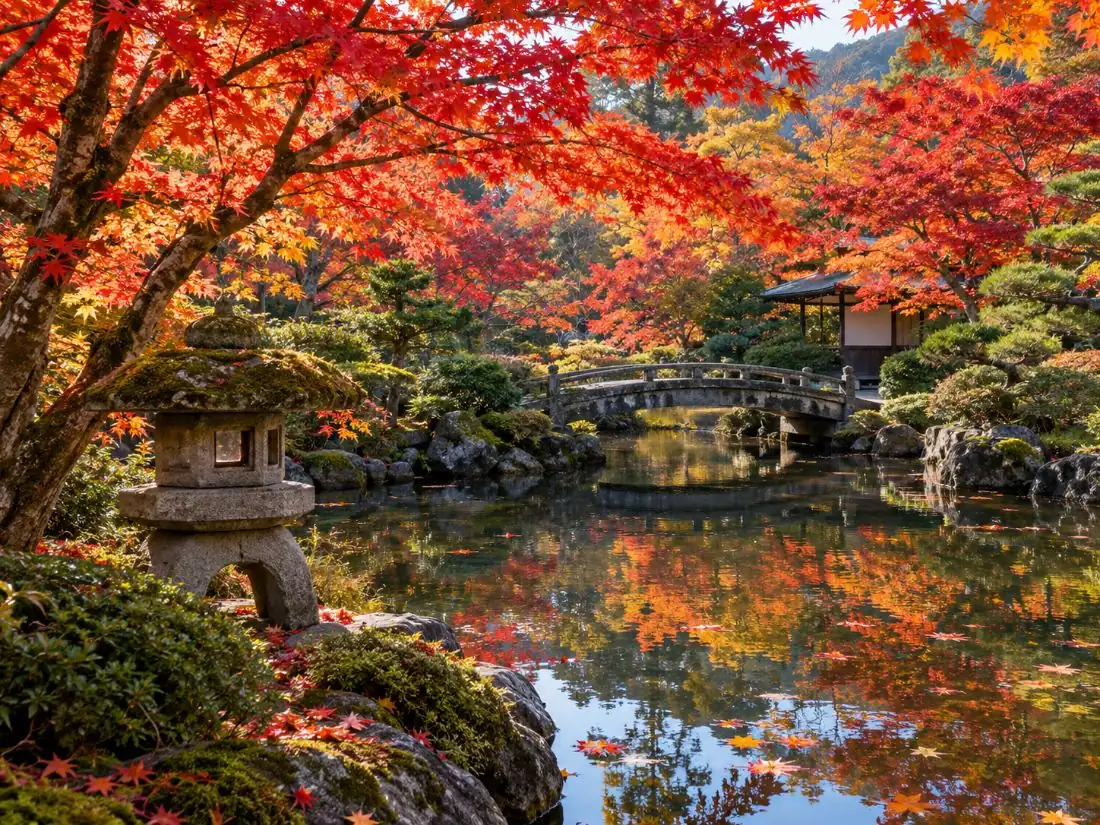
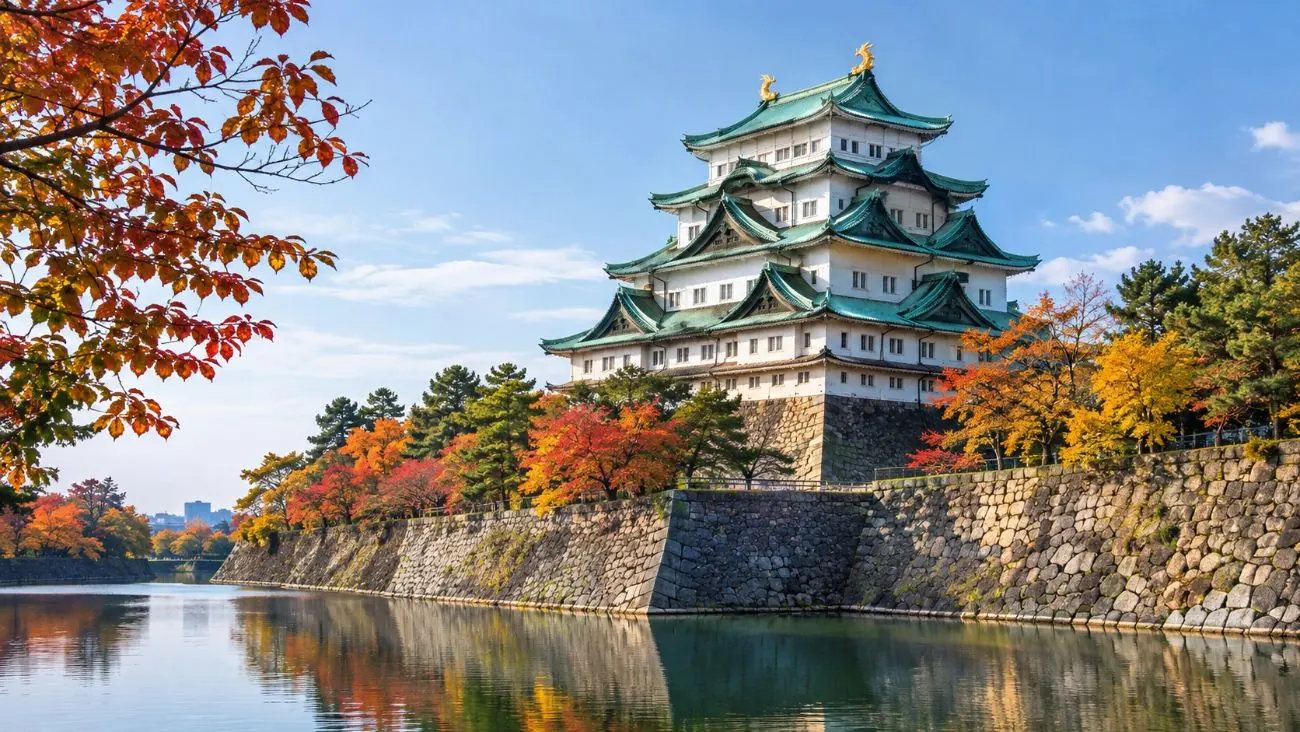
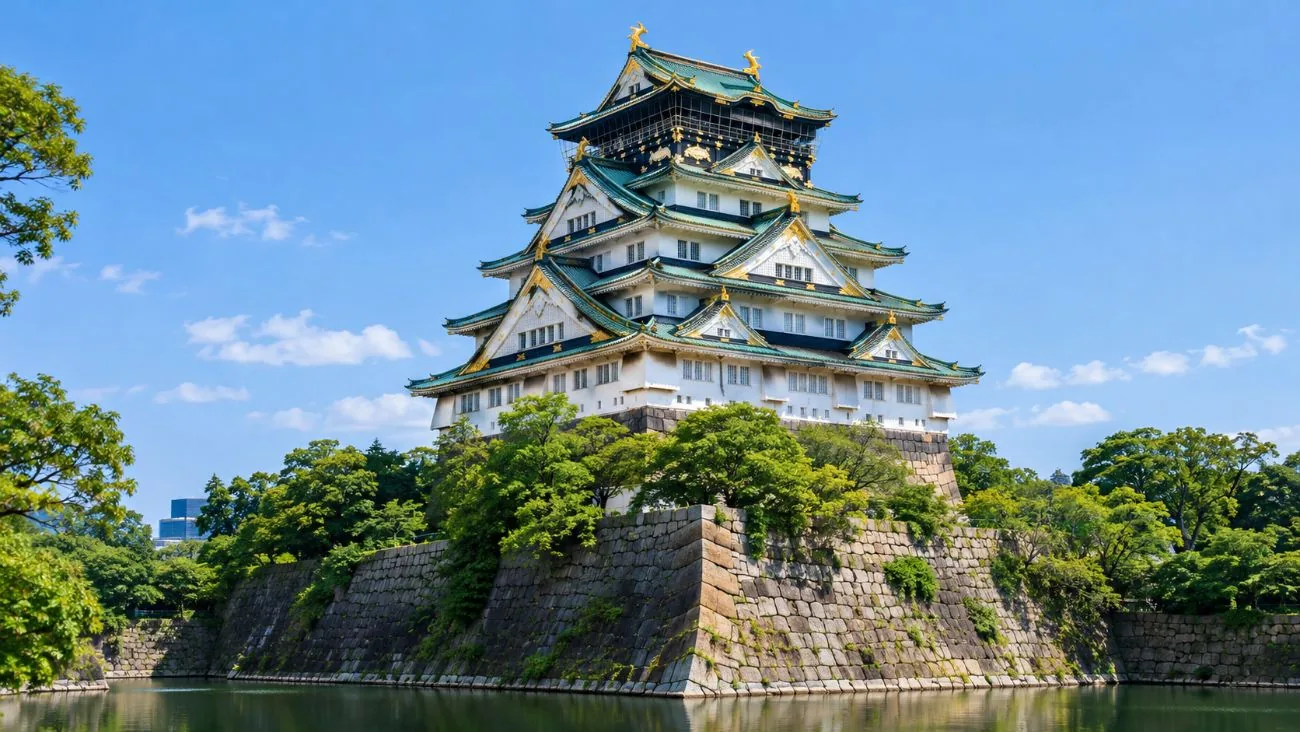
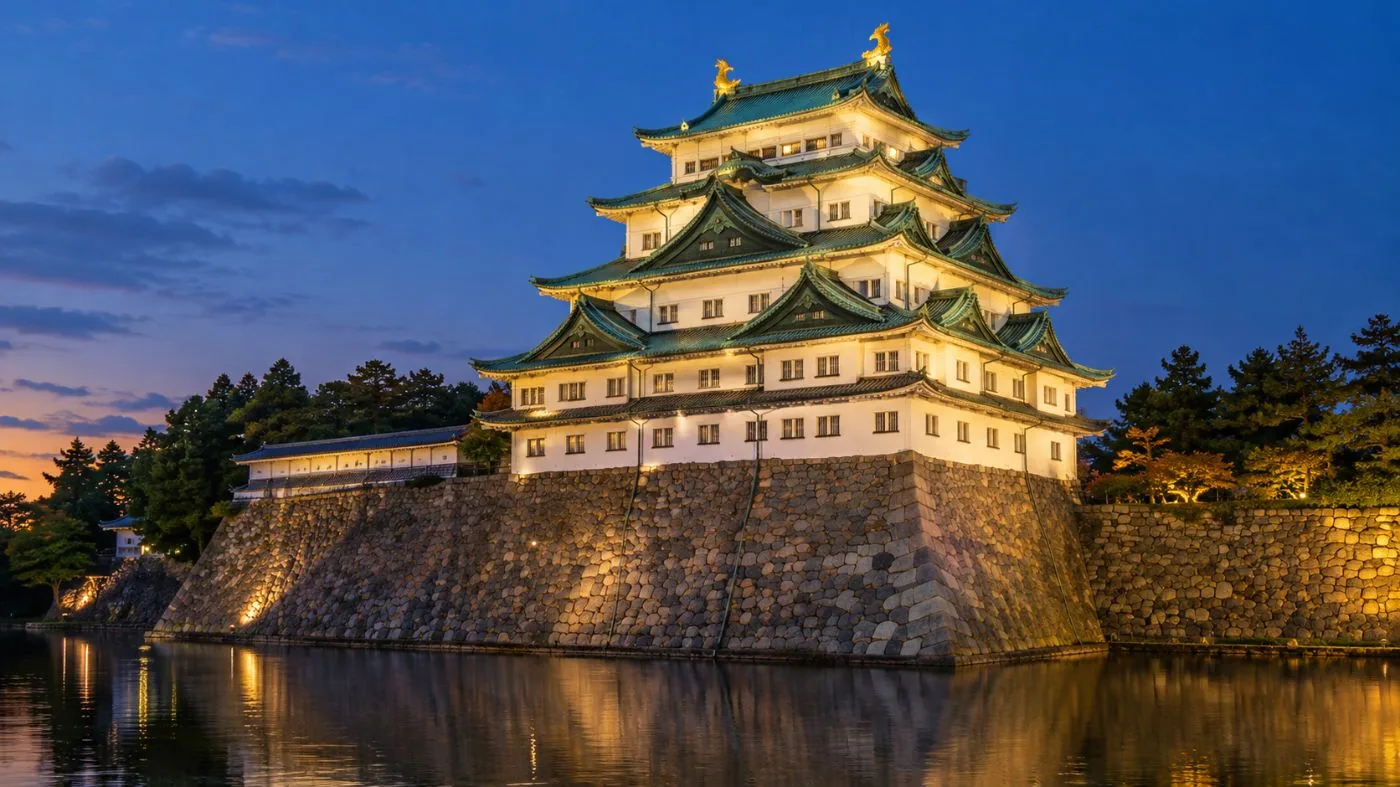
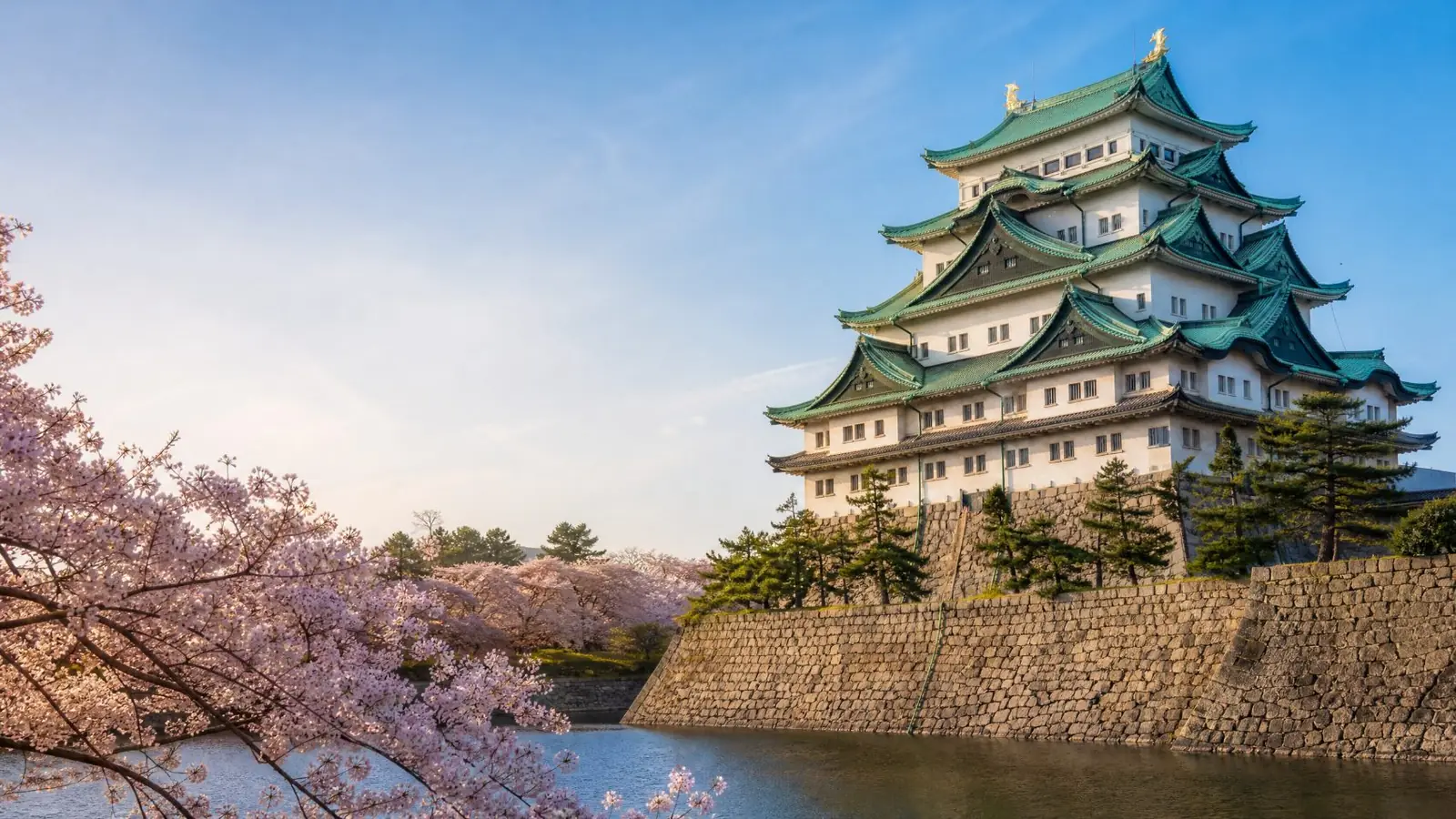
The castle Tokugawa Ieyasu ordered in 1610, crowned by two golden shachihoko.
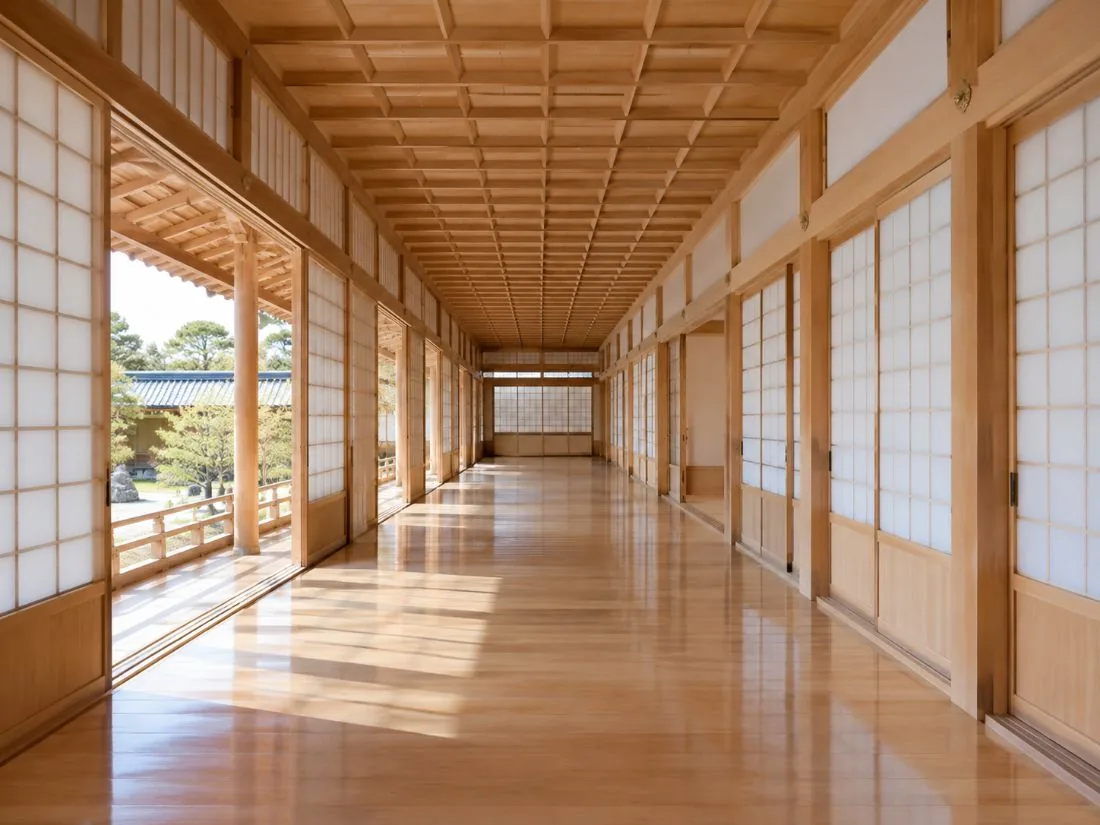
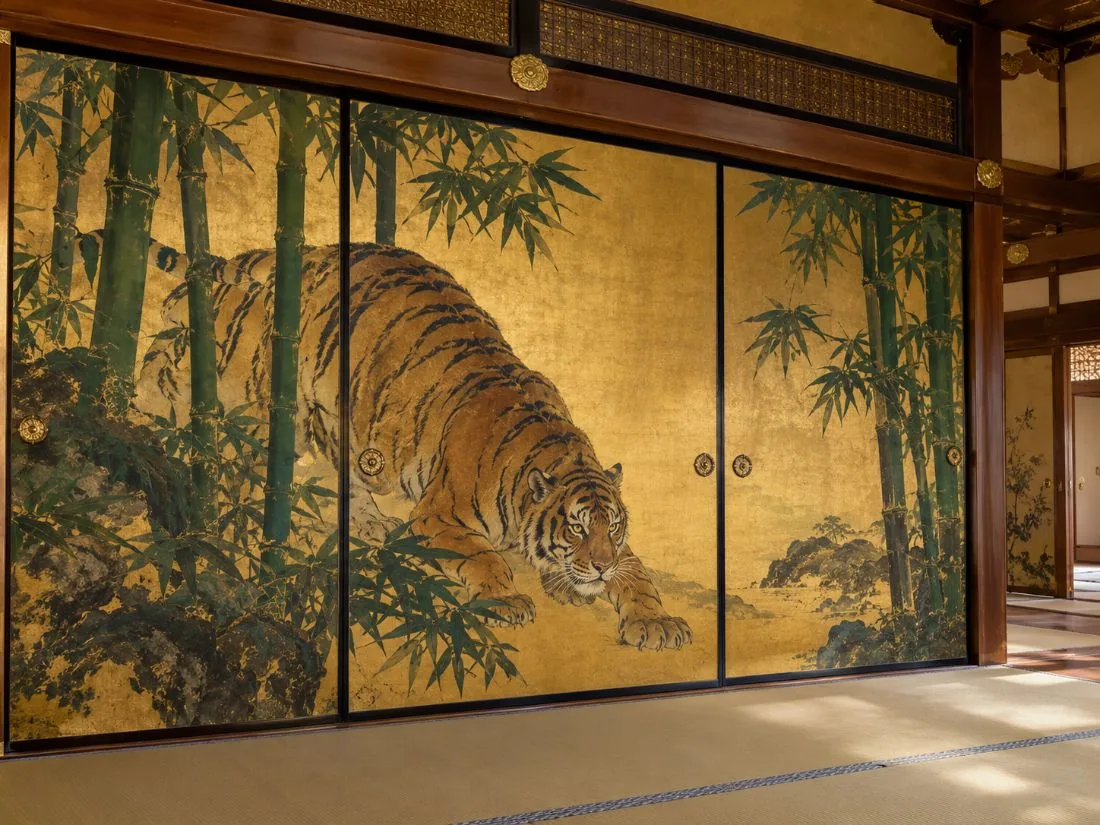
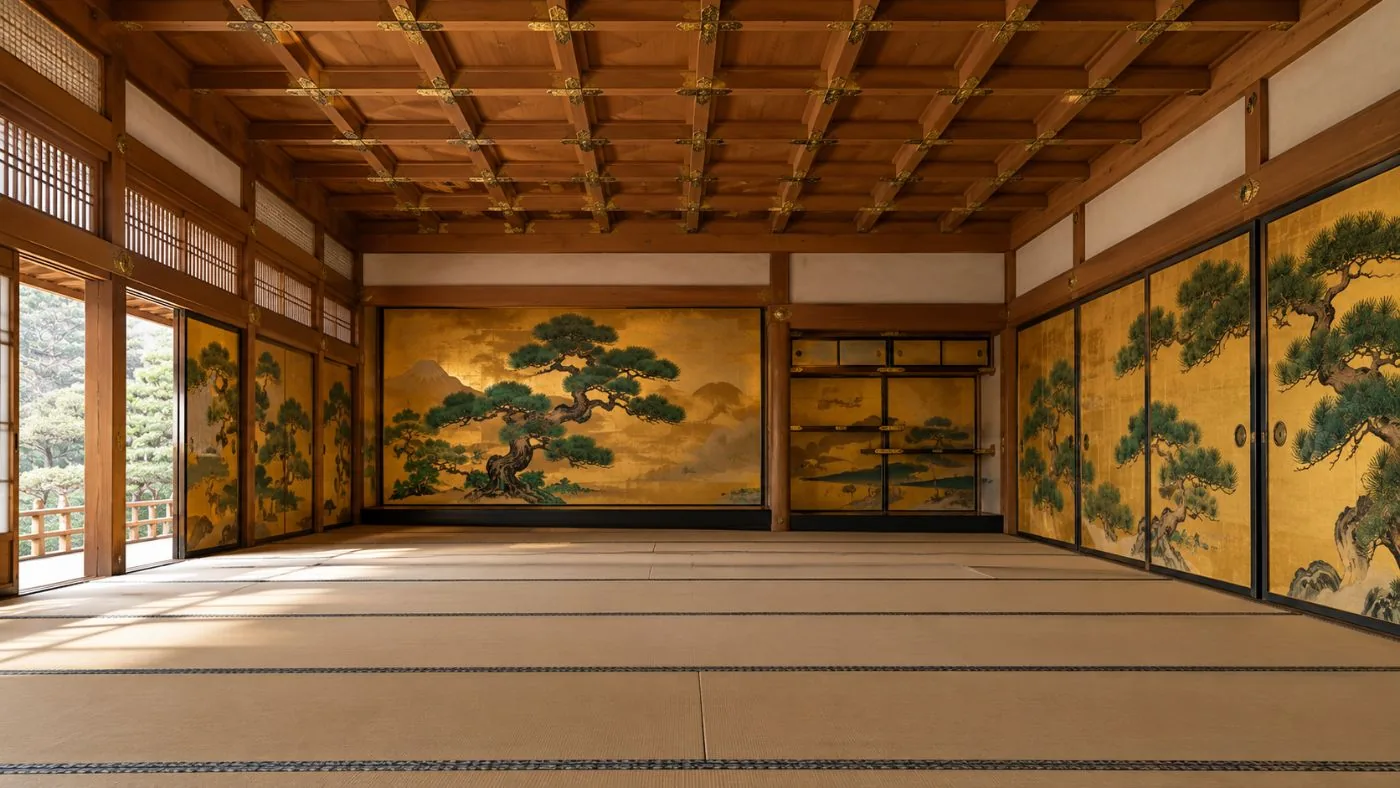
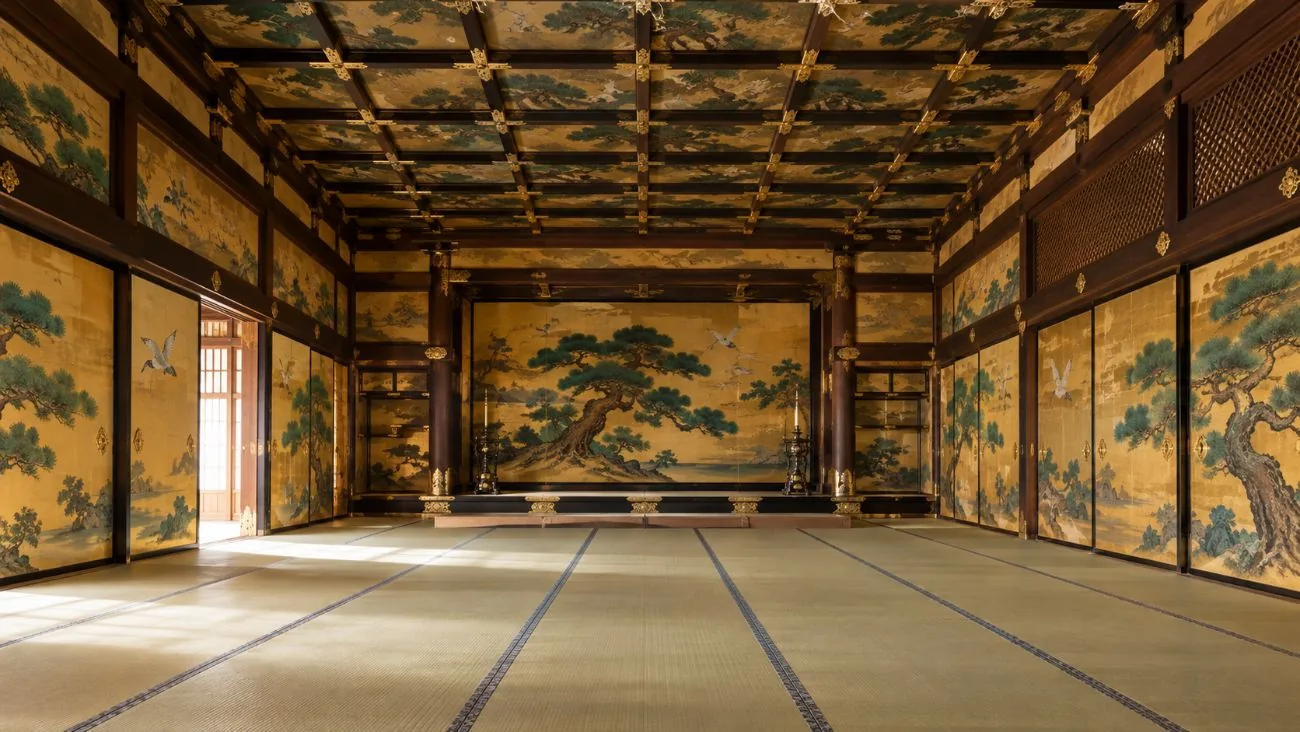
Walk in your socks through the cypress-scented Honmaru Palace, where gold-leaf tigers prowl the sliding doors, then eat your way along Kinshachi Yokocho.
February 2027: from 1 to 28 February only the Honmaru area needs a ticket, and the rest of the grounds is free to walk. Official site
Straight about the keepClosed since 2018, and we say so first
Official hours and feesChecked against the castle's own site
Real guest ratingsLive figures, no paid placement
Secure checkoutTours booked on GetYourGuide
Tours
Choose your Nagoya Castle tour
In the centre, the most-reviewed castle tour in Nagoya: the palace, the garden and a food stop in under three
hours. Either side, a private tour with the ticket in the price, and a local who plans the day with you.
Two hours with a private guide around the stone walls, turrets and the rebuilt Honmaru Palace, with the castle ticket in the price. A new listing, so no reviews yet.
What's included
A guide for your group only
Nagoya Castle entry ticket (in the listing title)
Honmaru Palace, where the ticket lets you in
Golden shachihoko and the closed keep from outside
A local guide takes you in through the East Gate, past the Ninomaru Garden and into the Honmaru Palace. You finish with a taste of Nagoya food on Kinshachi Yokocho.
What's included
Local English-speaking guide
Ninomaru Garden and the Honmaru Palace
Guided stop on the Kinshachi Yokocho food street
Meals beyond the tasting are extra
Check the listing for the castle ticket before you go
A local guide plans the day around a short questionnaire: the castle, Osu's arcades, a market, a bowl of hitsumabushi. Entry tickets and transport are paid on the day.
Three questions settle it. Is the castle ticket in the price? Do you want a private guide or a shared one? And how
much of Nagoya do you want on the same day: just the castle, or the art museum, a garden or Toyota as well?
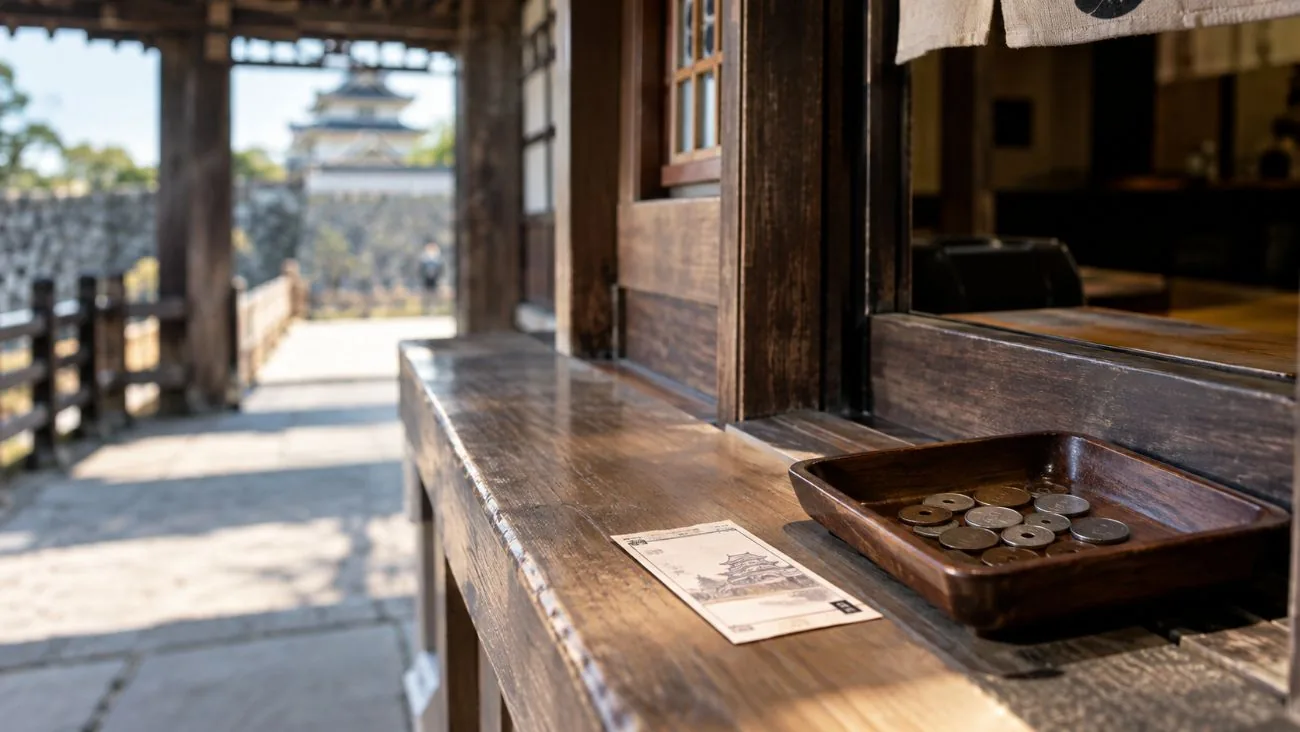
An adult castle ticket costs 1,000 yen at the gate from 1 October 2026, and junior high age and younger
enter free. The Honmaru Palace is included in it.
Before you go
The keep is shut. The palace is the reason to come.
The white tower with the golden fish on top is the photo everyone knows, and you cannot go in it. The keep you see is
a steel and concrete copy built in 1959, after American bombers burned the original on 14 May 1945. It closed to
visitors in May 2018 because it fails modern earthquake standards. The city wants to rebuild it in wood, the way it
stood in 1612, but no completion date has been set.
What your ticket buys is better. Next to the keep stands the Honmaru Palace, the residence of the Owari
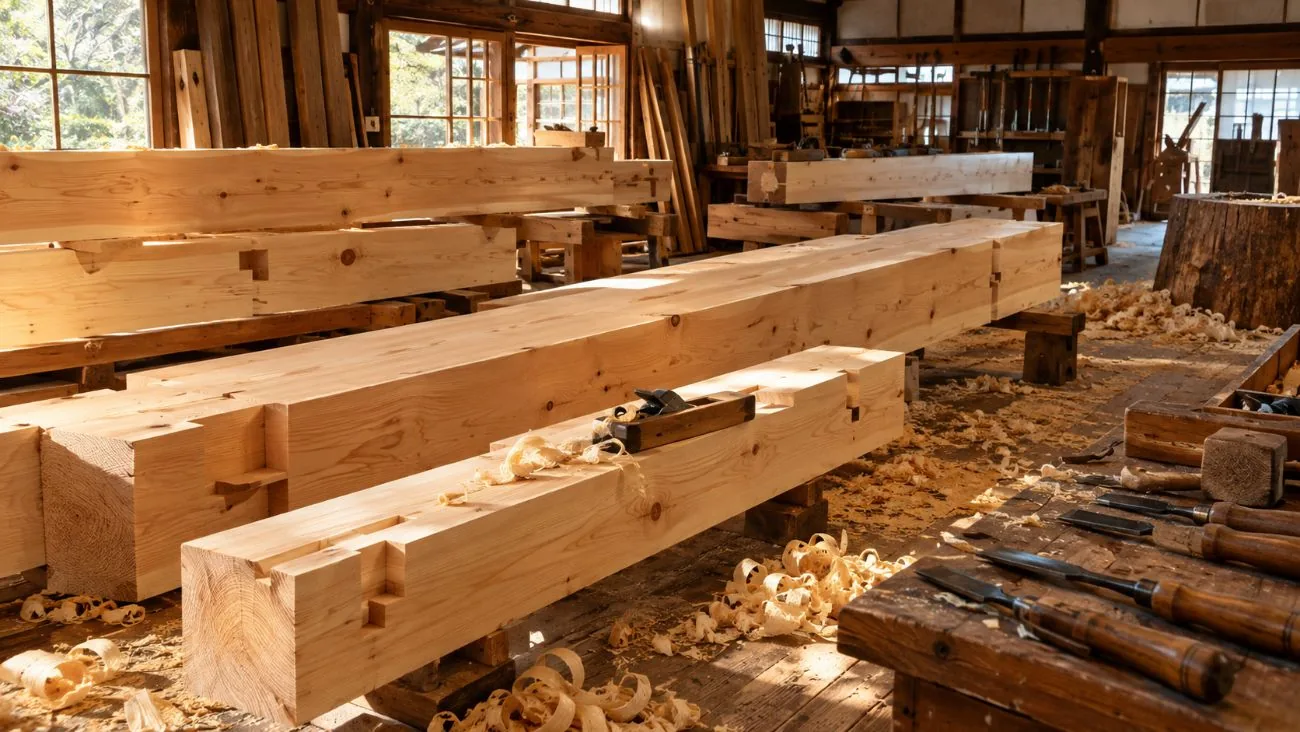
Tokugawa lords, rebuilt between 2009 and 2018 with Kiso cypress, hand-planed joints and copies of the gold-leaf screen
paintings. The originals survived the war because someone had moved more than a thousand panels into storage. Add the
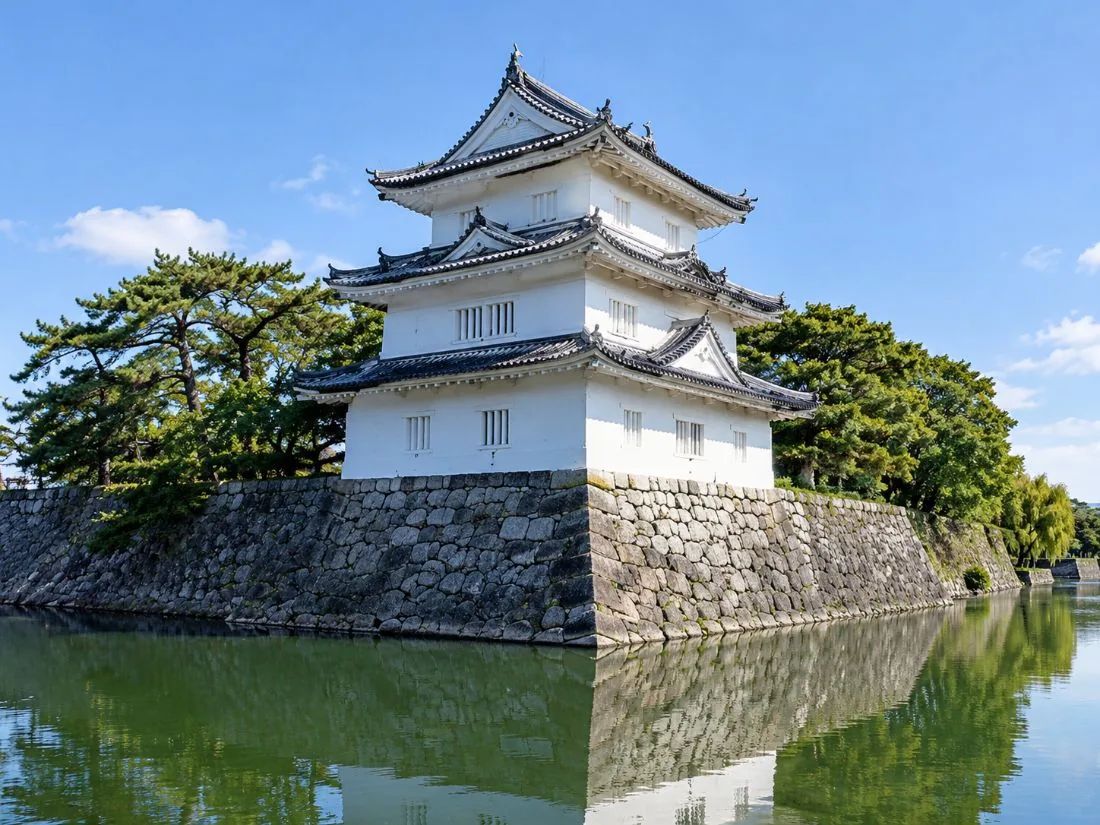
stone walls of 1610, three original corner turrets and the gardens, and the visit fills two hours easily.
2018
The year the concrete keep closed, and the year the rebuilt palace opened in
full. Plan your visit around the second one.
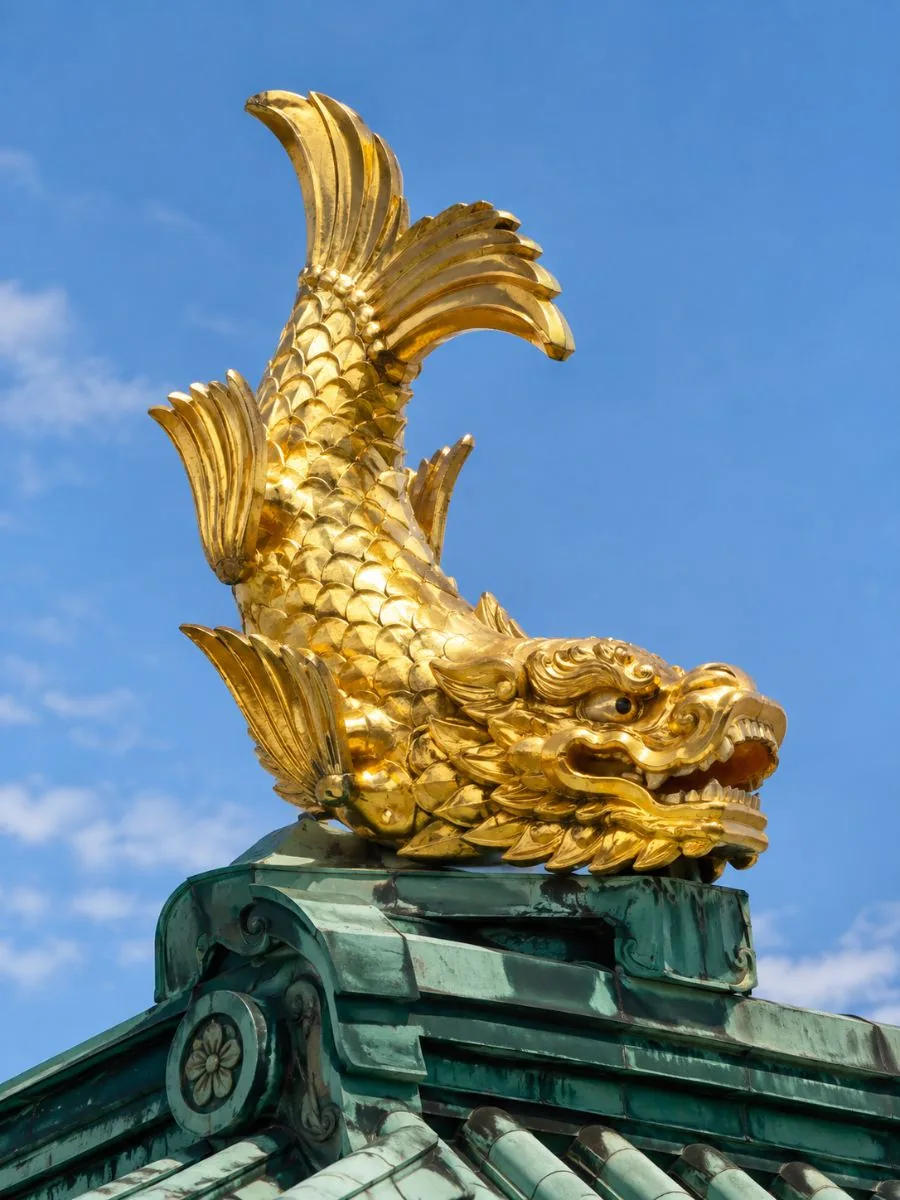
The golden shachihoko: a pair, male to the north and female to the south, each about 2.6 metres tall.
01
Can I go inside?
Into the Honmaru Palace and the treasure museum, yes. Into the keep, no.
02
What does it cost?
1,000 yen for adults from October 2026. Junior high age and under go free.
03
How long to stay?
1.5 to 2 hours for the castle, an hour more with lunch on Kinshachi Yokocho.
04
When is it shut?
29 December to 1 January. Last entry is 16:00 every other day.
Your visit
How a castle visit runs
Two hours on your own, two and a half to three on the guided walk. This is the shape of it.
01
In through a gate
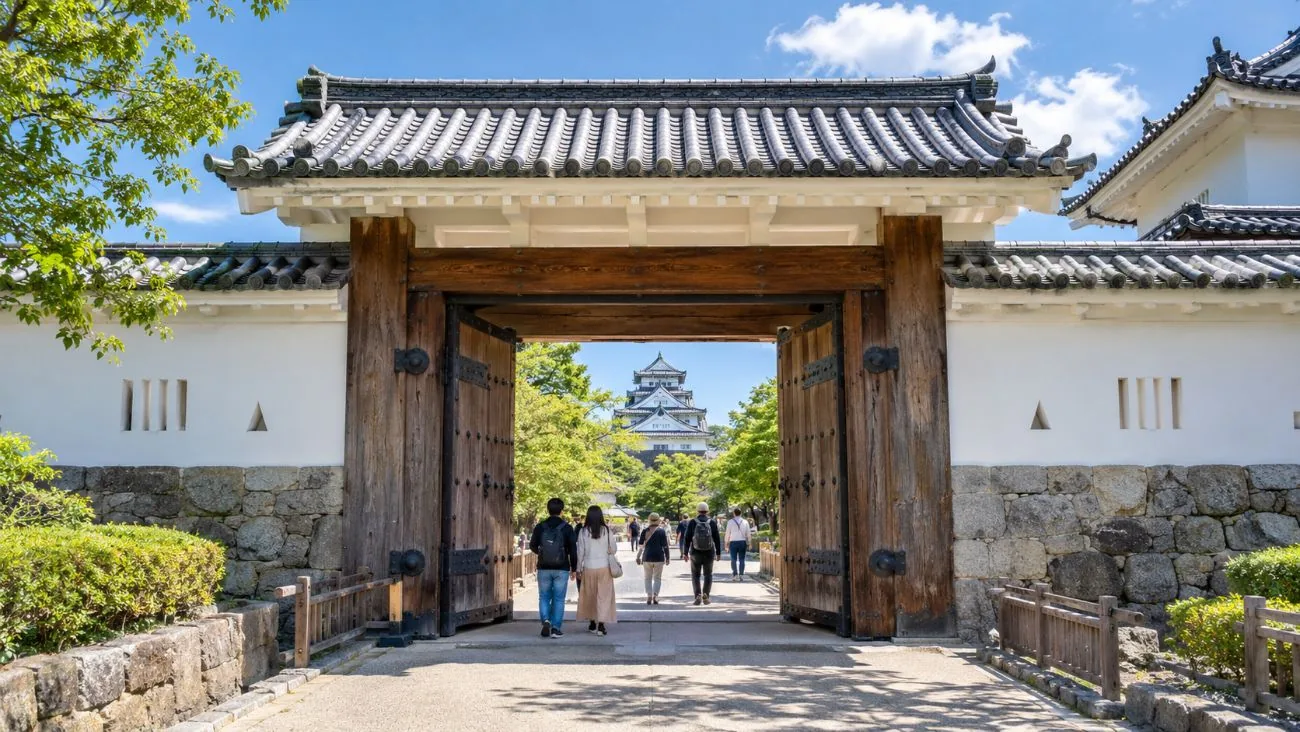
The East Gate is five minutes from Nagoyajo Station; the Main Gate sits by the Kinshachi Yokocho food stalls. Buy your ticket at either.
10 to 15 minutes
02
The Honmaru Palace
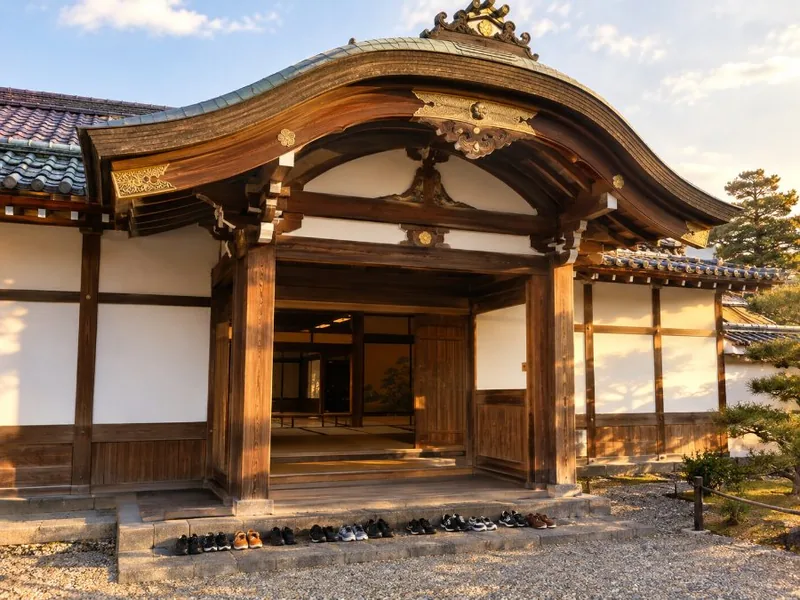
Shoes off, then room after room of cypress and gold: the tiger screens in the entrance, the audience halls, and the Jorakuden built for a shogun in 1634.
40 to 60 minutes
03
Walls, turrets, keep
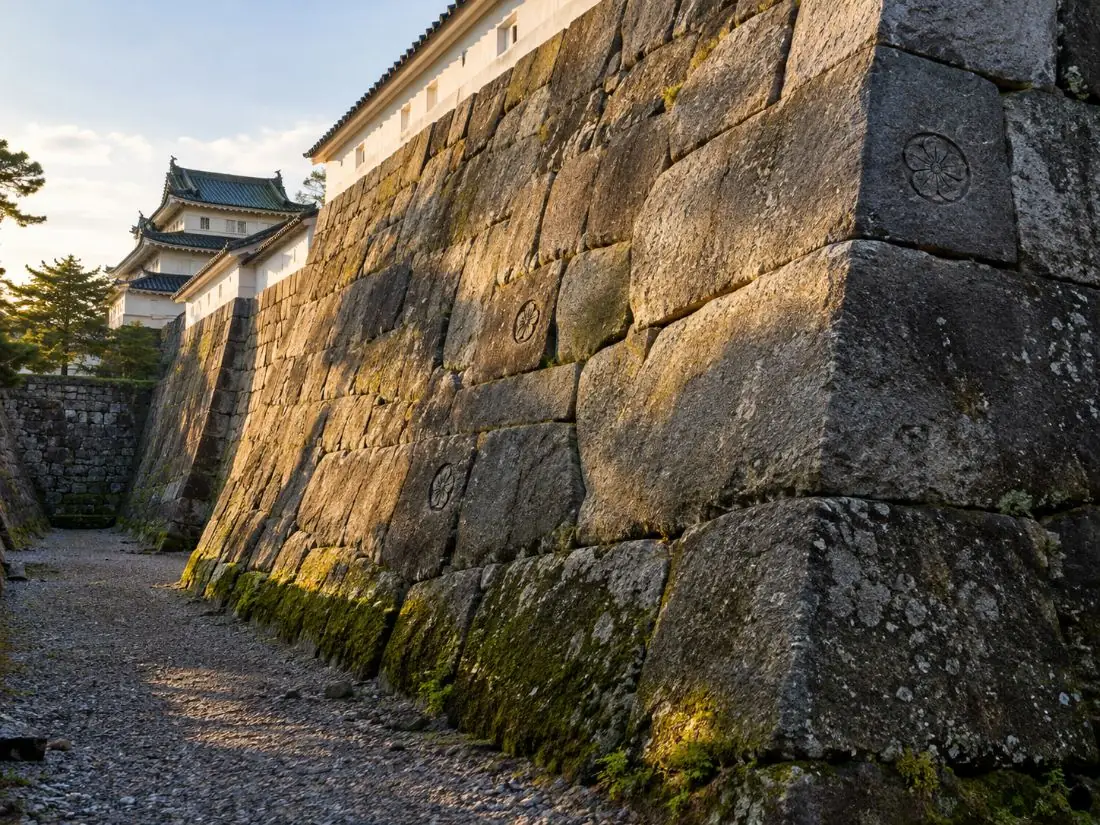
Look for the feudal lords' crests carved into the wall stones, walk the moat edge, and photograph the closed keep and its shachihoko from the outside.
30 to 40 minutes
04
Lunch by the gate
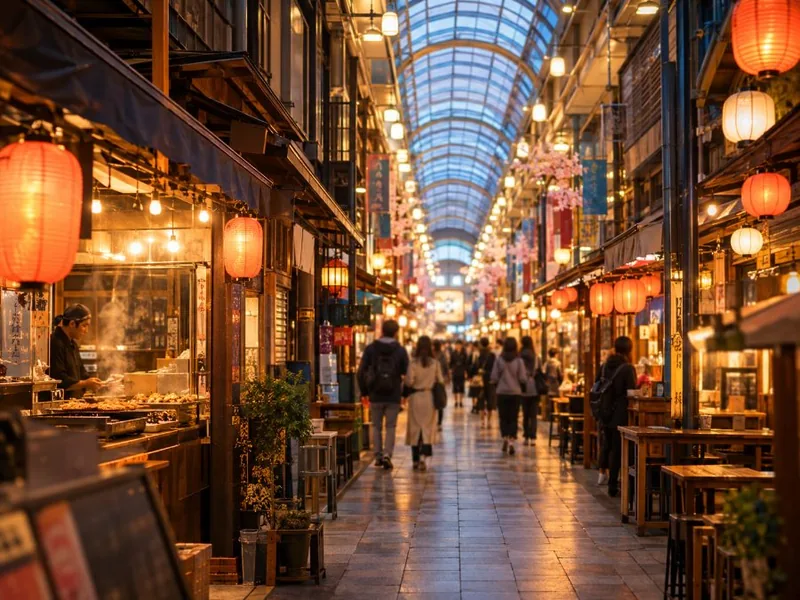
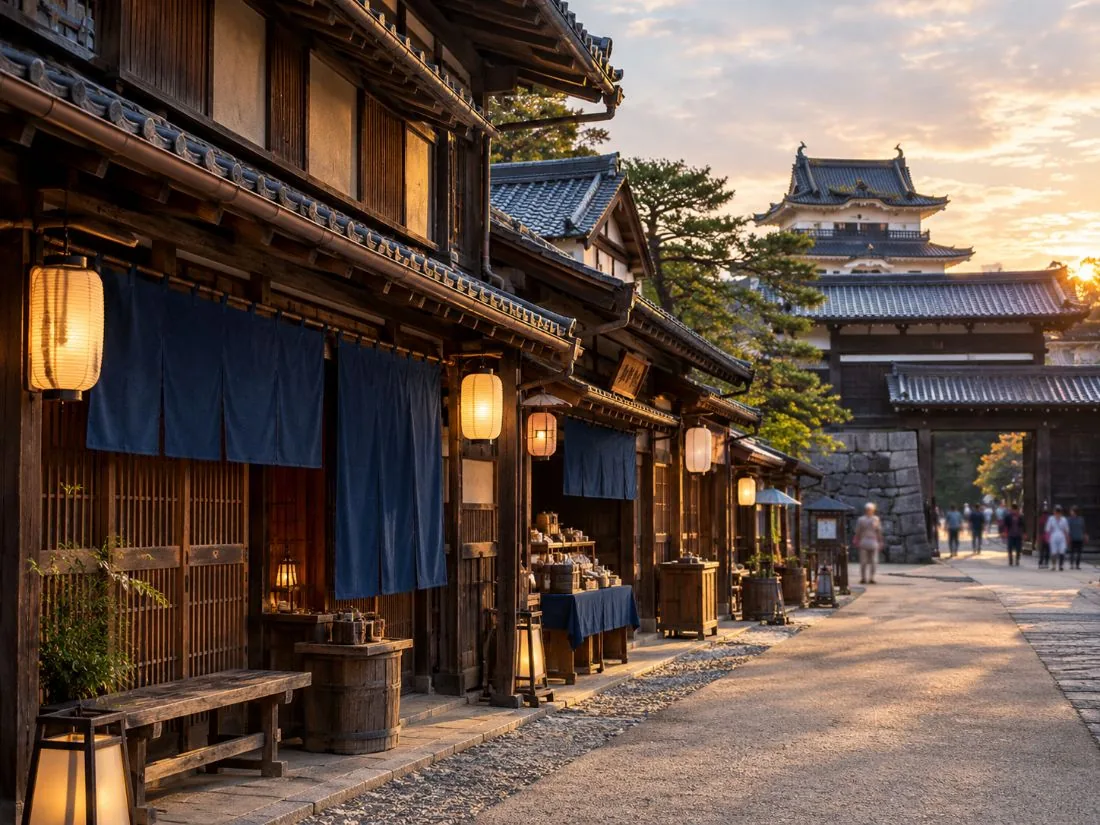
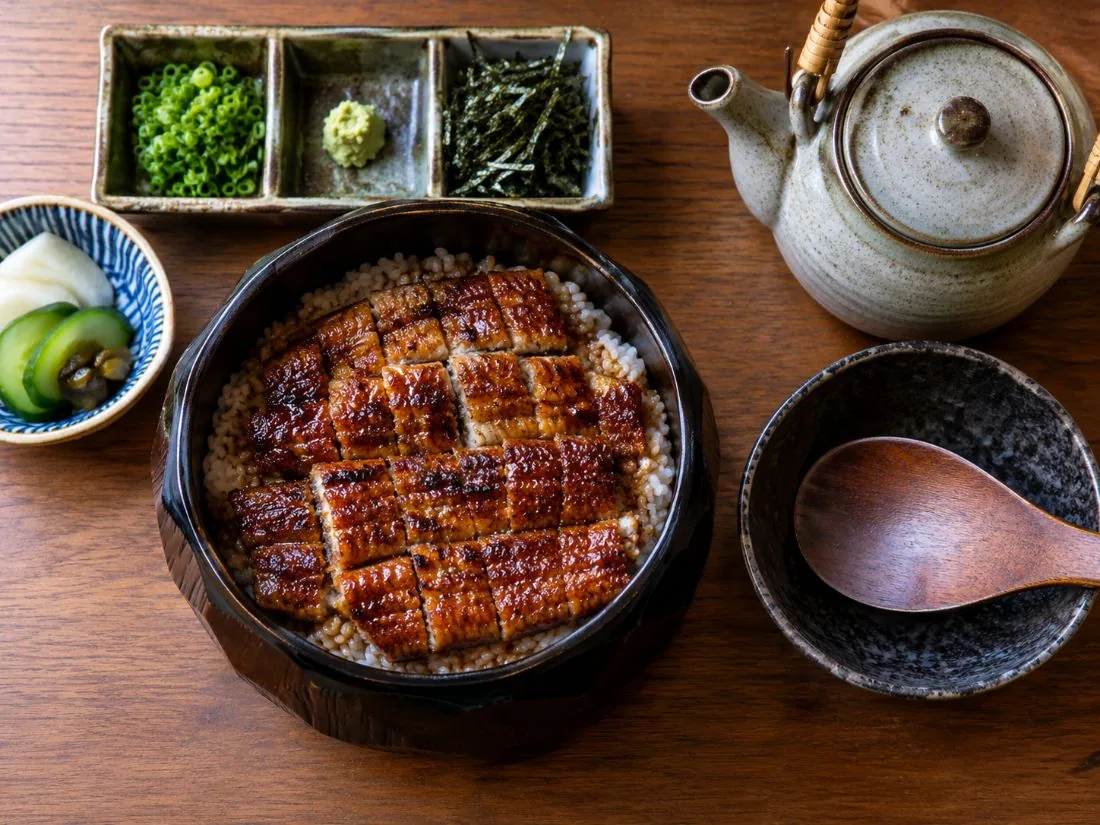
Kinshachi Yokocho's two food streets serve Nagoya's own dishes: miso katsu, hitsumabushi eel, tebasaki wings and kishimen noodles.
The Honmaru Palace has a wheelchair entrance on its north side and lends special wheelchairs for use inside.
The palace has no air conditioning and no toilet inside, to keep the Edo-period feel. Use the toilets before you go in.
Shoes come off at the palace door; slippers are provided if you are barefoot or in stockings.
The grounds are large and partly gravel. From Nagoyajo Station, the East Gate is the shorter walk.
Open9:00 to 16:30Every day except 29 December to 1 January.
Last entry16:00For the castle, the palace and the treasure museum.
Adult ticket1,000 yenFrom 1 October 2026, palace included.
ChildrenFreeJunior high school age and younger.
Nearest stationNagoyajo M07Meijo Line, exit 7, five minutes to the East Gate.
KeepClosedSince May 2018, for a planned rebuild in wood.
Where it is
Finding the castle
In the middle of the city
1-1 Honmaru, Naka Ward, Nagoya, Aichi 460-0031
The castle sits on a low plateau north of downtown Sakae, about 10 minutes by subway from Nagoya Station. There are
two ways in. The East Gate is the quick one from the subway. The Main Gate, on the west side, opens onto Kinshachi
Yokocho and the tour buses. Most guided tours meet at one of them or at Nagoya Station, so read the meeting point
on your booking.
Nagoyajo Station (M07) to the East Gate: about 5 minutes on foot
Sengencho Station (T05) to the Main Gate: about 12 minutes
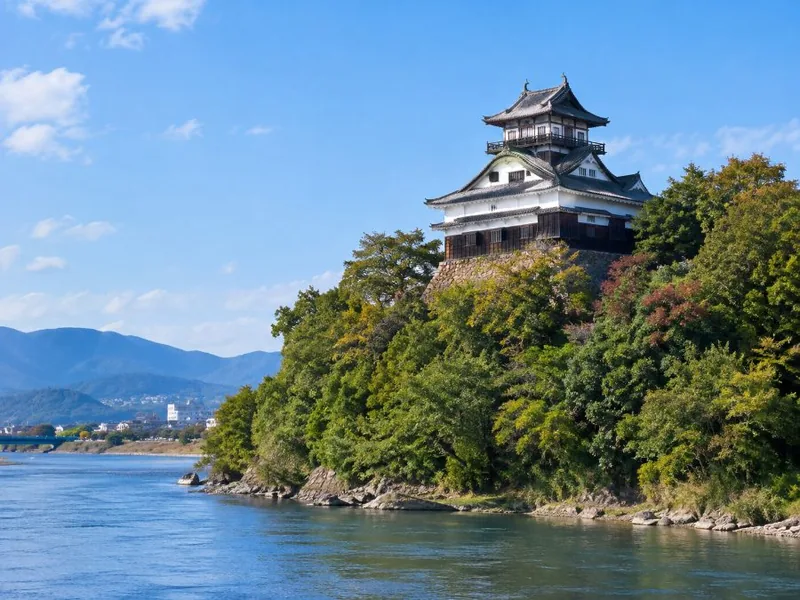
Nagoya's keep is closed. Inuyama's is not: it is one of Japan's twelve original castle keeps and a National Treasure, and this coach day includes the ticket, then walks the old Nakasendo post towns of Magome and Tsumago.
Castle ticket includedCoach from Nagoya StationPost towns
Nagoya Castle was one of the great castles of Japan, burned in a single night in 1945 and rebuilt twice:
once fast, in concrete, and once slowly, in wood. Knowing which part is which makes the visit.
A castle built to hold a road
Tokugawa Ieyasu won the battle of Sekigahara in 1600 and spent the next years making sure nobody could undo it. Nagoya
sat on the Tokaido, the road between Edo and Kyoto, and the Toyotomi family still held Osaka Castle to the west. In 1610 he ordered a
new castle here and made twenty feudal lords pay for the stone walls, among them Kato Kiyomasa, the most famous wall
builder of the age. Their gangs carved their lords' crests into the stones so that nobody would mix up whose work was
whose, and you can still find hundreds of them.
The keep was finished in December 1612 and the Honmaru Palace in 1615, for Ieyasu's ninth son Yoshinao. His line, the
Owari Tokugawa, became the senior of the three branch houses that could supply a shogun. In 1930 the castle became Japan's
first castle to be named a national treasure, with 24 structures listed.
The audience halls of the Honmaru Palace, rebuilt with Kiso cypress between 2009 and 2018.
One night in May 1945
On 14 May 1945 an American incendiary raid burned the main keep, the small keep, the palace and the golden shachihoko.
Three corner turrets and a gate survived, and so did most of the palace's painted screens and ceiling panels, which had
been taken down and stored. More than a thousand of them are now Important Cultural Properties.
Nagoya rebuilt the keep quickly, in steel and reinforced concrete, and reopened it on 3 October 1959 with a new pair of
golden shachihoko. For sixty years it was a museum with a lift. Then it aged, and in May 2018 it closed because it could not
be made safe in a strong earthquake. The city's plan is a full wooden rebuild based on prewar surveys and photographs,
which is why the official site says the keep "cannot be entered", and why no reopening date is on any calendar.
The short version: the keep is a 1959 concrete shell and it is closed. The palace is a 21st-century
rebuild by traditional carpenters, and it is open. The stone walls and three corner turrets are the real thing, from the
1610s.
The palace, room by room
The rebuild took nine years and was done the old way: hinoki cypress from the Kiso valley, hand-cut joints, copper
fittings made by craftsmen, and every screen painting copied from the saved originals. It opened in stages, the entrance and
the main audience hall in 2013, the private audience rooms in 2016 and the whole palace in June 2018. Start at the Genkan,
the entrance hall, where tigers and leopards stalk across gold leaf to impress arriving lords. The Omote-shoin was the formal
audience hall. The Jorakuden, added in 1634 for the third shogun Iemitsu's stay on his way to Kyoto, is the most lavish
part of the building, all painted ceilings and carved transoms.
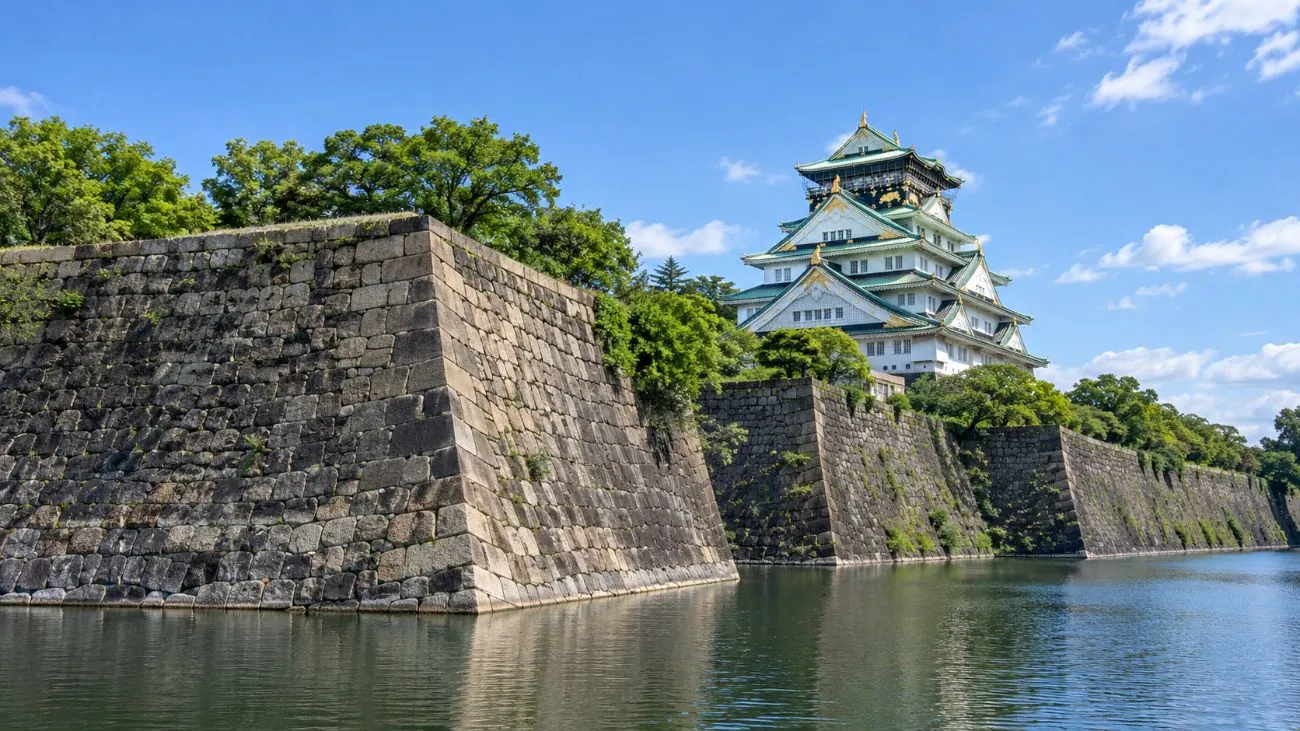
The stone walls date from 1610, built by the gangs of twenty feudal lords.
When to go and how long to stay
Allow two hours: forty minutes to an hour in the palace, the rest on the walls, the turrets and the gardens. Come at 9:00
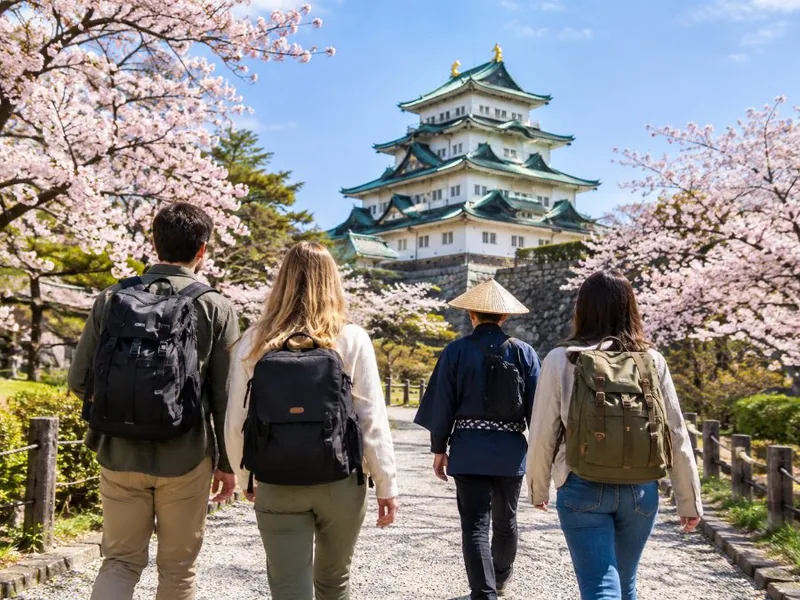
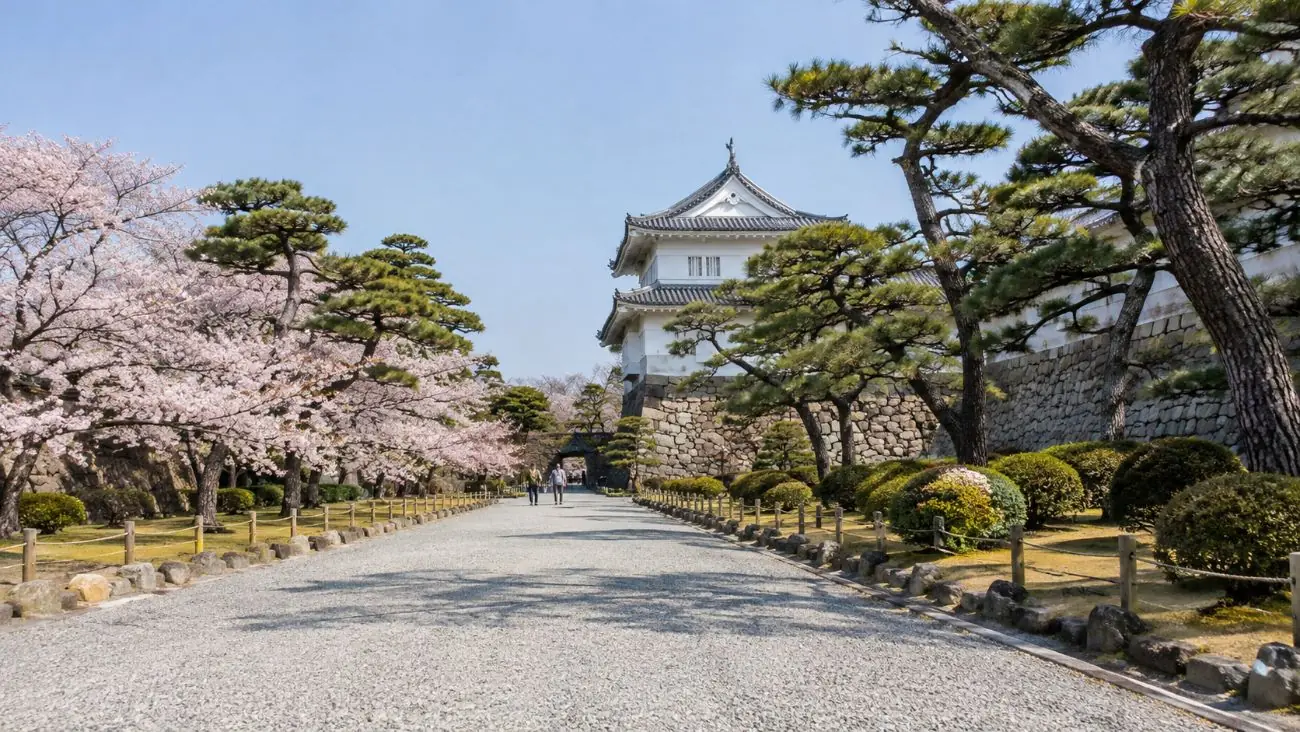
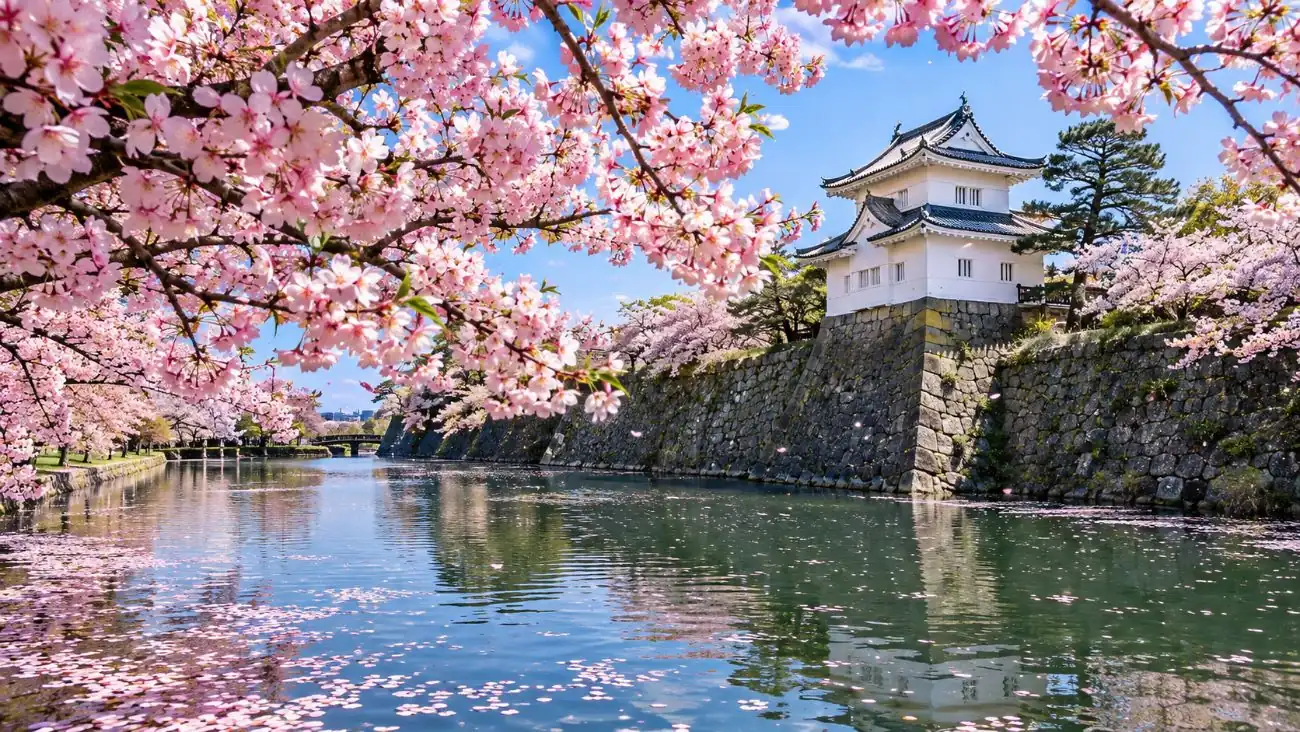
on a weekday if you want the rooms to yourself, or in late March and early April when the cherry trees around the moat
bloom and the whole city comes to look. The ticket costs 1,000 yen for adults from October 2026. A guided tour adds the
stories behind the screens and the crests, and the best ones finish with lunch on Kinshachi Yokocho by the gate.
Kinshachi Yokocho, the food streets at the Main and East Gates.
Straight answers to what people ask most about Nagoya Castle.
Why is Nagoya Castle closed?
Nagoya Castle is open; its main keep is not. The 1959 concrete tower closed to visitors in May 2018 because it does not meet earthquake standards, and the city plans to rebuild it in wood. No reopening date has been set. The grounds, the Honmaru Palace, the corner turrets and the gardens are open every day except 29 December to 1 January. The details are in why the keep is closed.
Can you go inside Nagoya Castle?
You can go inside the Honmaru Palace, the rebuilt lord's residence beside the keep, and the treasure museum in the Nishinomaru area. You cannot go inside the main keep. Shoes come off at the palace door, and flash photography is not allowed.
Is it worth going inside Nagoya Castle?
Yes, for the palace. The Honmaru Palace was rebuilt by hand between 2009 and 2018 with Kiso cypress and copies of the original gold-leaf screen paintings, and few buildings in Japan show a lord's palace this completely. If climbing a keep is the point of your trip, go to Inuyama or Osaka instead.
Is Nagoya Castle free?
No. From 1 October 2026 an adult ticket costs 1,000 yen (it was 500 yen for about 32 years). Junior high school age and younger enter free, and Nagoya City seniors pay 300 yen with their handbook. The Honmaru Palace is included. See the ticket guide.
Do I need tickets for Nagoya Castle in advance?
No. Tickets are sold at the Main Gate and East Gate counters, by cash, credit card or a transit IC card such as Suica or ICOCA, and the castle does not sell out. The official site also links to a web ticket, and some tours include the ticket, like the private castle and palace tour.
How much time do you need at Nagoya Castle?
Plan on 1.5 to 2 hours: about 45 minutes in the Honmaru Palace, the rest on the walls, turrets and gardens. Add an hour for lunch on Kinshachi Yokocho. More in how long to spend.
What time is Nagoya Castle open?
9:00 to 16:30. The last entry to the castle, the Honmaru Palace and the treasure museum is 16:00, and the palace is about a 10-minute walk from either gate. It closes from 29 December to 1 January.
How do I get to Nagoya Castle?
Take the Meijo subway line to Nagoyajo Station (M07, called Shiyakusho until 2023), use exit 7 and walk about 5 minutes to the East Gate. From Nagoya Station the ride takes about 10 minutes with one change at Hisaya-odori. The access guide covers the bus and the Main Gate route.
What is Nagoya Castle famous for?
The pair of golden shachihoko on the keep roof, each about 2.6 metres tall and plated with roughly 44 kg of gold; the Honmaru Palace; the stone walls built in 1610 by twenty feudal lords; and its role as seat of the Owari Tokugawa, the senior branch of the shogun's family.
Who lived in Nagoya Castle?
The Owari branch of the Tokugawa family, starting with Tokugawa Yoshinao, the ninth son of the shogun Tokugawa Ieyasu, who ordered the castle built from 1610. The third shogun, Iemitsu, stayed in the palace in 1634 on his way to Kyoto.
What is the difference between Nagoya Castle and Osaka Castle?
Both keeps are 20th-century concrete rebuilds. Osaka's holds a museum you can climb, with a lift; Nagoya's is closed. Nagoya has the Honmaru Palace, which Osaka does not. Read Nagoya vs Osaka.
Can I cancel a Nagoya Castle tour?
Most tours here cancel free up to 24 hours before the start; check the listing for yours, since a few new ones have not published their terms.
Ready to book
Gold leaf, stone and a guide who knows both.
Book the tour, buy the 1,000 yen ticket at the gate unless your tour includes it, and leave two hours for the palace.

 Ticket included
New2 hours